A pitch black stage shrouded by the hundreds of seats, but there’s no show tonight and behind the curtains, stagecraft is gone. Where are they? What do they do in between shows?
When the Stagecraft crew has no shows coming up they learn and enhance skills, with each section learning different skills. For example, with the props section learning how to use the staple gun to the sounds section raising the volume of the sound board.
“In different areas, like the props, people build the sets and I work within the sound section. [One of my responsibilities is to] make sure there’s sound and that it works around the stage. There’s not that much stress and it’s good because I get experience. I also think it’s just fun to meet new people,” junior Joseph Luo said.
In addition to learning how to use tools, they practice sewing and make preparations for the next shows. This involves refilling the Shop, a storage place where they put all their screws, tools, paints, and much more. Sophomore Jacob Lugo recently learned how to safely use a table saw. After practicing with these new tools, they have quizzes afterwards to test their knowledge. Lugo feels that the class every day is low stress and fun, whether there’s a show or not.
“It’s exciting to learn how to use the tools, but we need to be careful about what we do and not mess around to operate the machinery safely. [However], I feel that the class is always lively and energetic, while it also is productive and fun,” Lugo said.
As a whole class they explore career paths, like stage managers or technicians. They do this by having each student assigned a certain job as a project. Afterwards, they present it to the class and everyone is learning about a new opportunity they could possibly take in the future. They also sometimes invite people in the field to talk to the students about their roles. For example, they were able to speak with Technical Director AJ about what sound design is and how it works.
“[It’s] really exciting to teach them about this early on because there’s a lot of other options of jobs besides just performer in drama that I think a lot of students don’t really realize exists for them,” Drama Director Zoe Seare said.
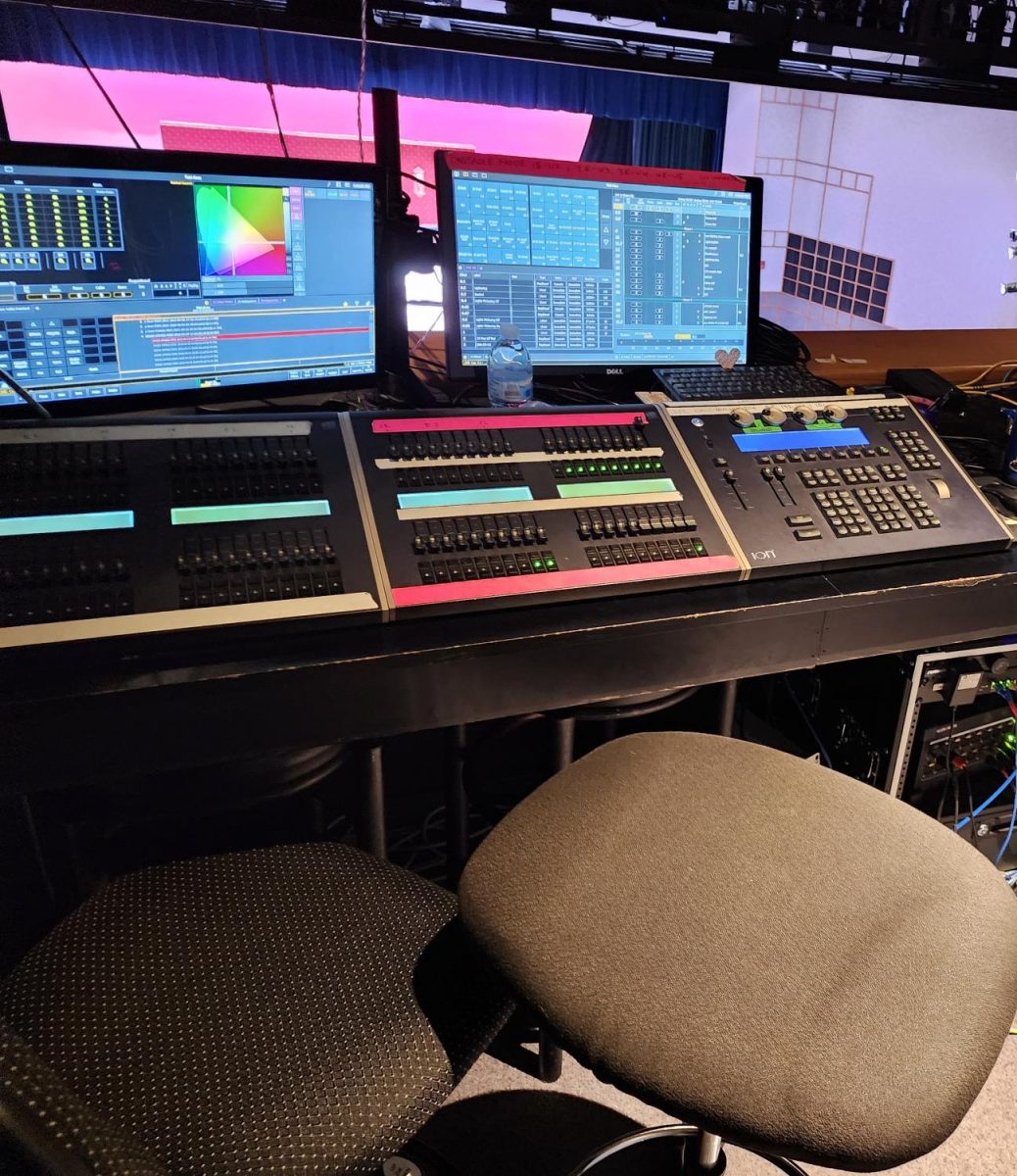
The crew also studies different theaters, which sets them up for various types of shows and stages that they may meet in the future. For example, Walnut’s Performing Art Center has a proscenium stage. In addition, they are taught mini lessons of each section of Stagecraft, like lighting design or what a light board is. The Stagecraft class also imitates a work environment and teaches the crew about responsibility. For light department lead senior Georgia Colera, her section focuses on how lights affect the mood of shows and immerse audiences into the show. It helped Colera to improve her communication and leadership skills because stagecraft requires teamwork, which forced her to adjust to team settings.
“Stagecraft is the best part of the day. It’s always so much fun. I sometimes spend 12 hours a day with them and so I get to be very close with everyone. It almost feels familial,” Colera said.