From launching a military strike against Iran to implementing tariffs on foreign imports, United States (U.S.) political policies and decisions have led to increases in prices for gas and groceries.
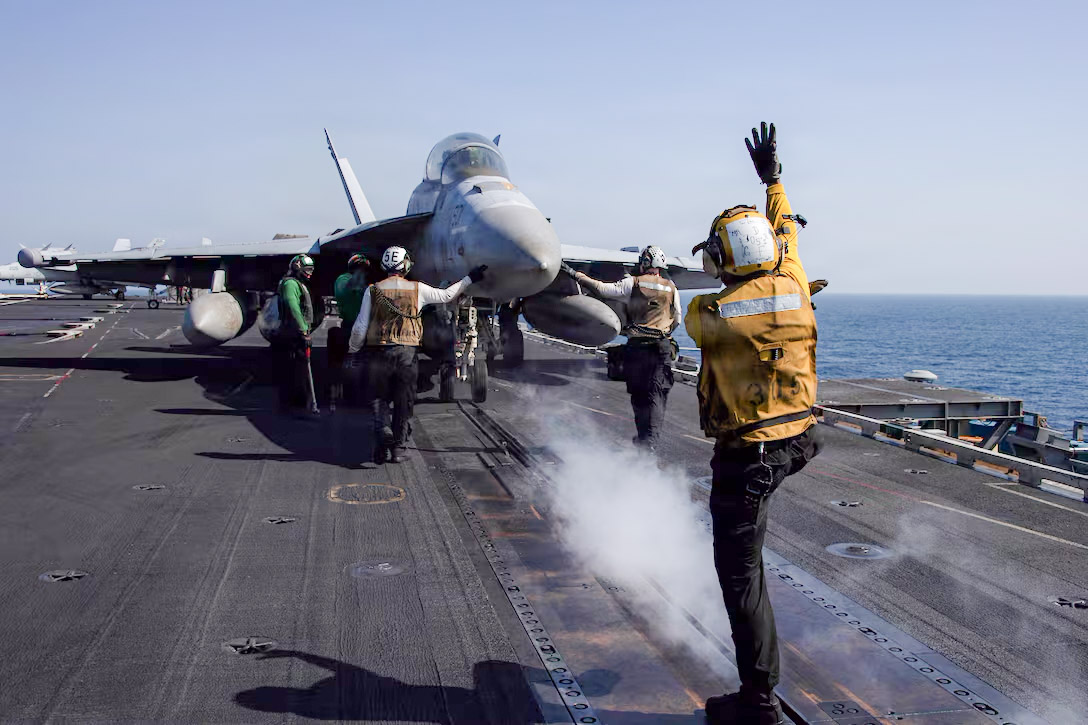
On Feb. 28, the U.S. and Israel coordinated military strikes against Iran, targeting nuclear facilities and military infrastructure. As conflict between the countries intensifies, Iran has restricted the passage of ships through the Strait of Hormuz, a waterway that sees more than a hundred ships every day. With Iran allowing only five to six ships to pass through the waterway, the restriction has led to a massive shortage of oil.
According to CNN 10, the Strait of Hormuz is crucial for oil supply as it is the only pathway for ships from the Middle East to deliver oil and natural gases. The Middle East is also responsible for around a fifth of global oil and liquefied natural gas production, leading to worldwide increases in gas prices.
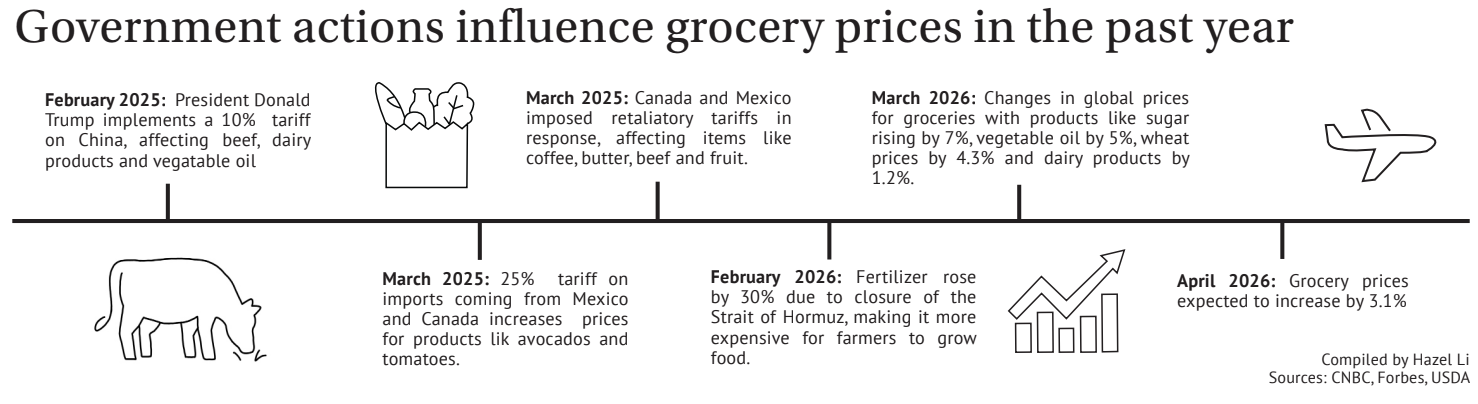
With the shortage, prices for gas have soared by 30% nationally since the start of the attack while the cost of crude oil has increased by 50% according to Time. As the usual tractors, trains and trucks that many farmers rely on to transport their produce from fields to grocery stores rely on fuel, rising costs will rack up the prices for food. To make food even more expensive, many farmers depend on the supply of fertilizer carried from ships that travel through the Strait of Hormuz. As supply dwindles, farmers face higher costs and fertilizer shortages.
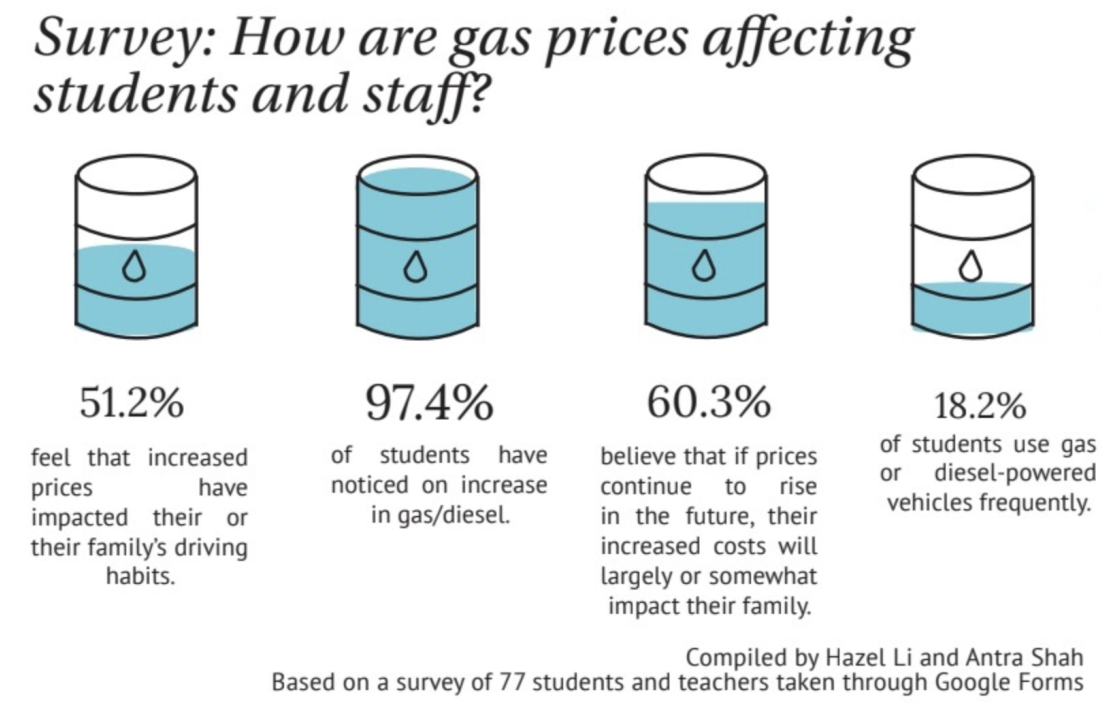
“[The increases in prices for gas] is frustrating. I know there’s a whole world market involved and a war going on that is affecting prices,” social science teacher Justin Panlilio said. “But as an economist, you understand that [gas and groceries] are inelastic. People are going to have to buy them no matter what, it’s something we are always going to need.”
Although the war has influenced prices for groceries, tariffs implemented by the Trump Administration have also been contributing to higher prices. In fact, according to the Tax Foundation, 52% of U.S. food imports like baked goods and seafood are affected by tariffs. Among the countries heavily impacted by tariffs, Canada, Mexico and China face high additional costs for imports.
“[Tariffs] are a good thing, but there’s a trickle down effect that affects us consumers,” social science teacher Aaron Cornell said. “The good part is that the government is accumulating money, so hopefully that can offset the deficit. There’s speculation that some of this money may come back to the American people, but the downside is that businesses paying taxes pass it onto the consumer. So, that’s where we get stuck, which isn’t a good thing. How we offset the tariff costs will be if we can start building businesses back.” Ω