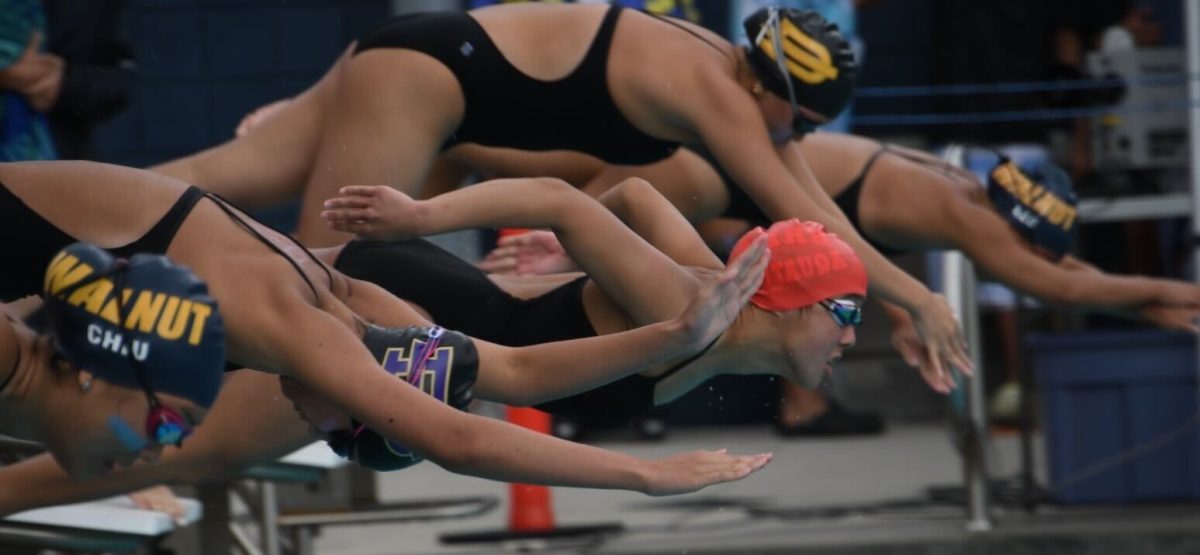
Behind every practice, game and win, there’s a reality people don’t see behind these scenes: the athletes who are struggling mentally and many coaches might not be aware enough to notice. The conversation around mental health has expanded into everyday environments, including sports.
The AB 1626 March’s bill will require the 1998 California High School Coaching Education and Training Program by Sept. 1, 2027 for state model training for youth/high school athlete coaches on behavioral/mental health, according to Cal Matters Digital Democracy. The bill is still in the House of Assembly, waiting for approval from the California Legislature. For a while now, coaching has primarily focused on physical performance, but the House of Assembly is making it possible to recognize that mental health has been a bigger priority in schools.
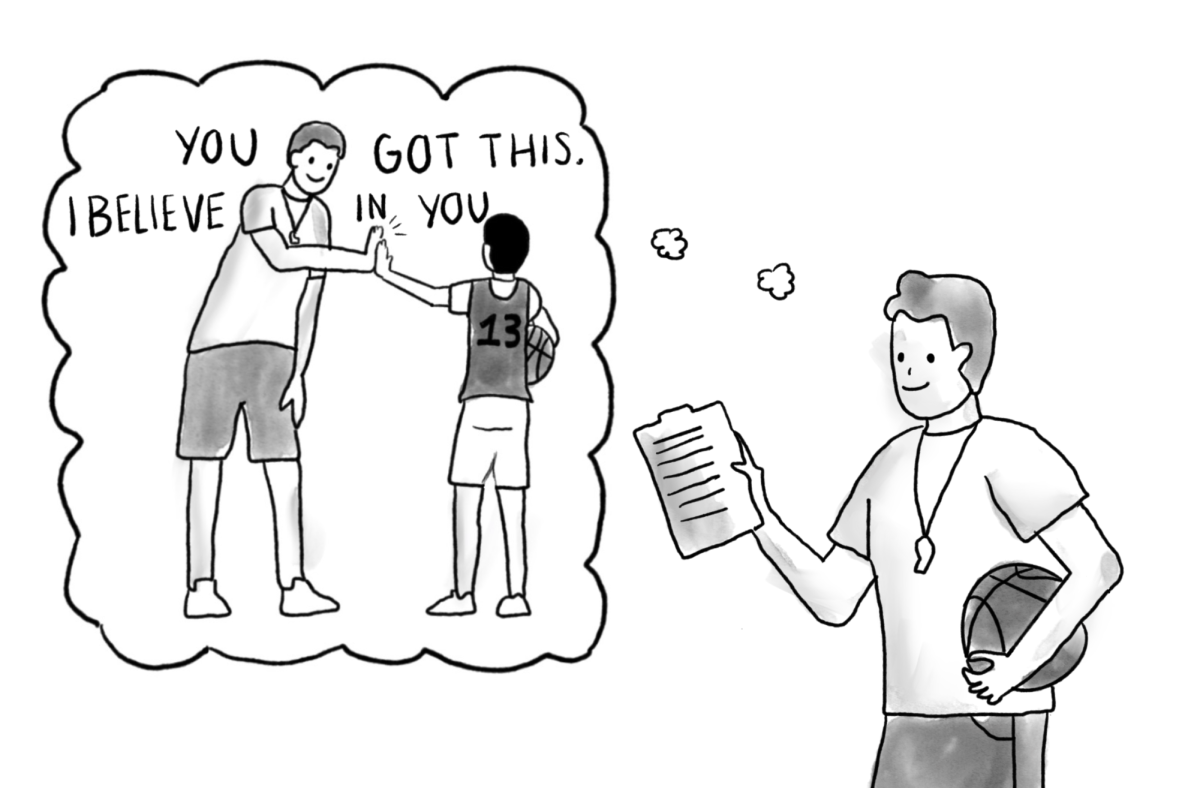
“There’s so much more that goes into sports than just the physical side, and mental health has been overlooked for a long time,” swim and water polo head coach Ashley Garcia said. “For coaches [this mandate] will give [the coaches] tools and confidence to handle the situations, but for athletes, this will create a safer environment where they feel understood and supported.”
High school athletes are speaking more openly about anxiety, burnout, depression and the intense pressures they face. There are a lot of factors toward these problems such as emotional pressure, pressure from families and friends, or balancing academics and sports. The new policy is emerging that requires coaches to be trained to recognize and respond to these challenges, thus prompting athletes to be more willing to seek help without fear of judgment or consequences.
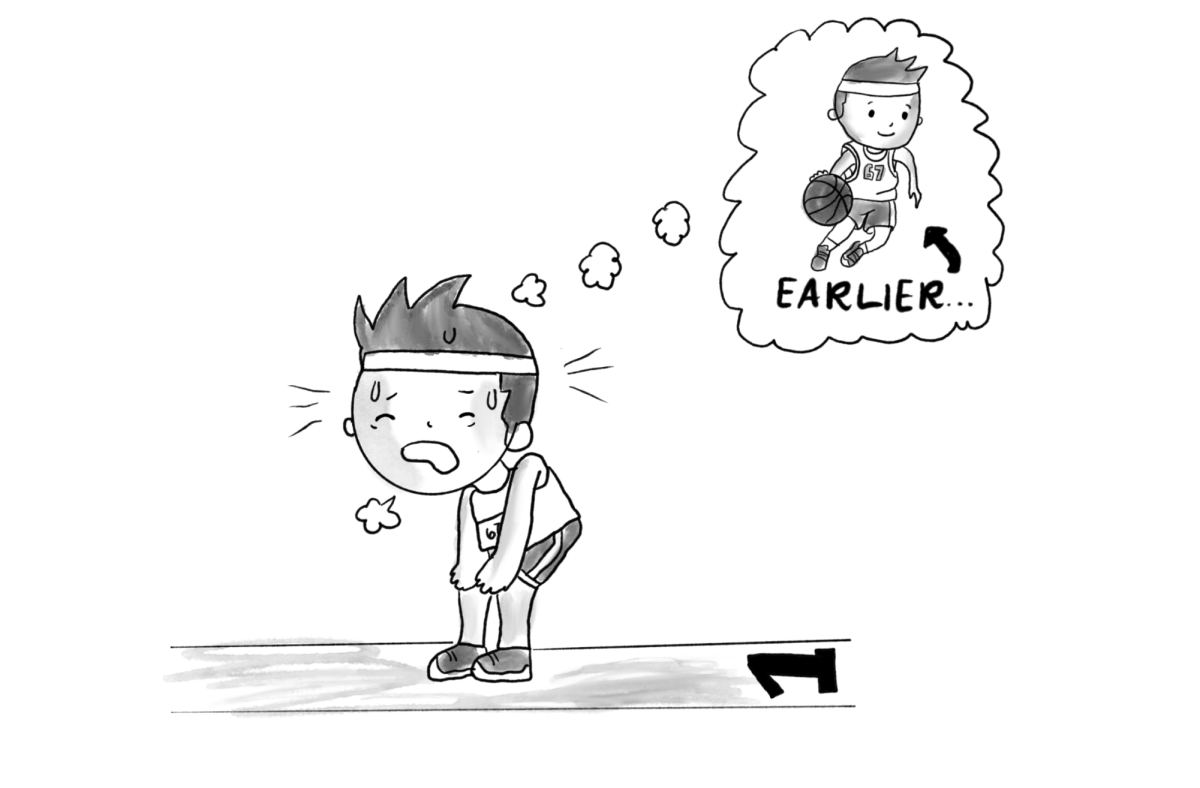
“A lot of high school athletes deal with a lot of different mental health struggles, it’s really important because it helps other people,” senior hurdler Brenden Neeley said. “If you do bad in one of your races, you can get in your head and cause a spiral effect.”
Walnut Valley Unified School District is already recognizing that student athletes face a lot of pressure from competition and expectations. Sports in Walnut are prioritizing athletes’ well-being in schools and helping them learn to handle setbacks. As awareness of student mental health grows, Walnut is required to treat mental health as essential. According to Athletic Director Valerie Varela, students’ well-being is something that Walnut is looking to protect and to be able to let students get access to support.
“[Walnut] district is already ahead of [the mental health training] because we do ASCIP training that covers mental health awareness for athletes,” Varela said. “Mental health is really important to understand and articulate your emotions and your thoughts. In athletics, a big part of your success is your mental strength because you’re able to cope with your game.”
![Senior Kyle Lin scrolls through his Spotify playlist to prepare mentally for practice. "[Music] helps me get to a good vibe or mood and it helps me prepare mentally for my race or just practice," Lin said.](https://whshoofprint.com/wp-content/uploads/2026/04/IMG_9092-e1777086977174-800x1200.jpg)