
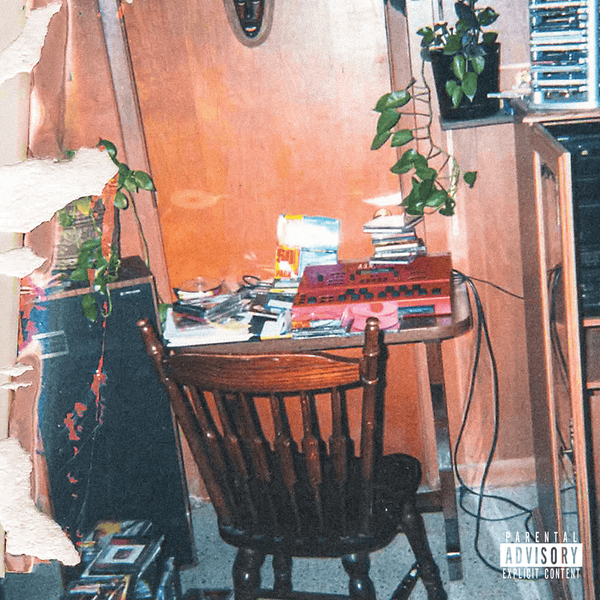
When an artist spends 10 years promising their best work, expectations become virtually impossible to meet. On his seventh studio album, “The Fall-Off,” American rapper and producer Jermaine Lamarr Cole, or stage name J. Cole, sets out to prove he belongs among rap’s greatest. However, the weight of that ambition follows him across the album.
Released on Feb. 6, Cole reflects on the two stages of his life throughout the double-disc project, named Discs 29 and 39. These symbolize his varying mindsets at ages 29 and 39 during separate returns to his hometown of Fayetteville, North Carolina. I particularly liked how the album concept served as both a retrospective and farewell, while also exploring growth, doubt and maturity. With 24 tracks spanning over 100 minutes, “The Fall-Off” features artists such as Future, PJ, Tems, Erykah Badu, Petey Pablo, Burna Boy and Morray.
Through lyrics such as “If money gives happiness, then please explain the rich b——- with no peace,” the 15th track “The Villest (with Erykah Badu)” effectively captures Cole’s ongoing struggle with fame, wealth and survivor’s guilt. Moreover, the track’s soulful production and reflective tone allow Cole’s vulnerability to shine without feeling too forced. Another song that stood out to me was the 14th track, “The Fall-Off is Inevitable.” I particularly enjoyed how Cole rapped his life story in reverse, transitioning from death back to his childhood. Not only did this technique highlight his precise storytelling, but it also echoed the album’s overall theme of questioning what truly matters at the end of a long career.
However, not every track maintains the same clarity or purpose. At times, the album’s 101-minute runtime works against it. Songs stretched past five minutes without direction, the narrative momentum slowed quickly and certain hooks just lacked the punch needed to sustain the double-disc concept. Cole’s lyricism was still solid, but his attempts at social commentary felt more surface-level than actually insightful. More specifically, on the 21st track, “What If (with Morray), he experimented by rapping from the imagined perspective of hip-hop legends Tupac Shakur and The Notorious B.I.G. as a means of reflecting on rap beef culture and the consequences of rivalry. The concept, while not bad, felt poorly executed and sounded overly dramatic.
Ultimately, I would rate “The Fall-Off” a 3/5. The album does have its fair share of brilliance and emotional storytelling, but it struggles to fully deliver on the promise of being a career-defining masterpiece. Despite the album’s flaws, it still demonstrates Cole’s dedication to his craft and his ability to stay introspective in a genre usually driven by clashing egos. Whether this truly is the end of his career or a mere opening into another chapter, “The Fall-Off” shows that Cole is still capable of thoughtful and decent storytelling, even if the end product does not exactly reach the legendary status he aimed for.