From cavemen using organic materials to Renaissance painters using oil paints, and now digital artists using styluses. As art continues to innovate, digital forms of art bring new changes and the possible replacement of physical arts.
So, what are the differences between what is needed for each form of art, how artists see each form and how they are merging? Many artists have looked towards digital art, as it has become more convenient, but they still consider physical art training as essential.
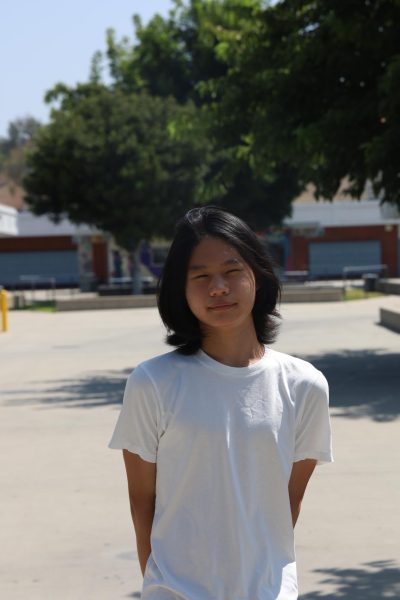
“I feel it’s important to do the other [form of art] when you’re doing one of it, or at least try the other one because it’s definitely two different experiences when you’re working with digital or physical,” Advanced Placement (AP) Art History student junior Molly Bai said.
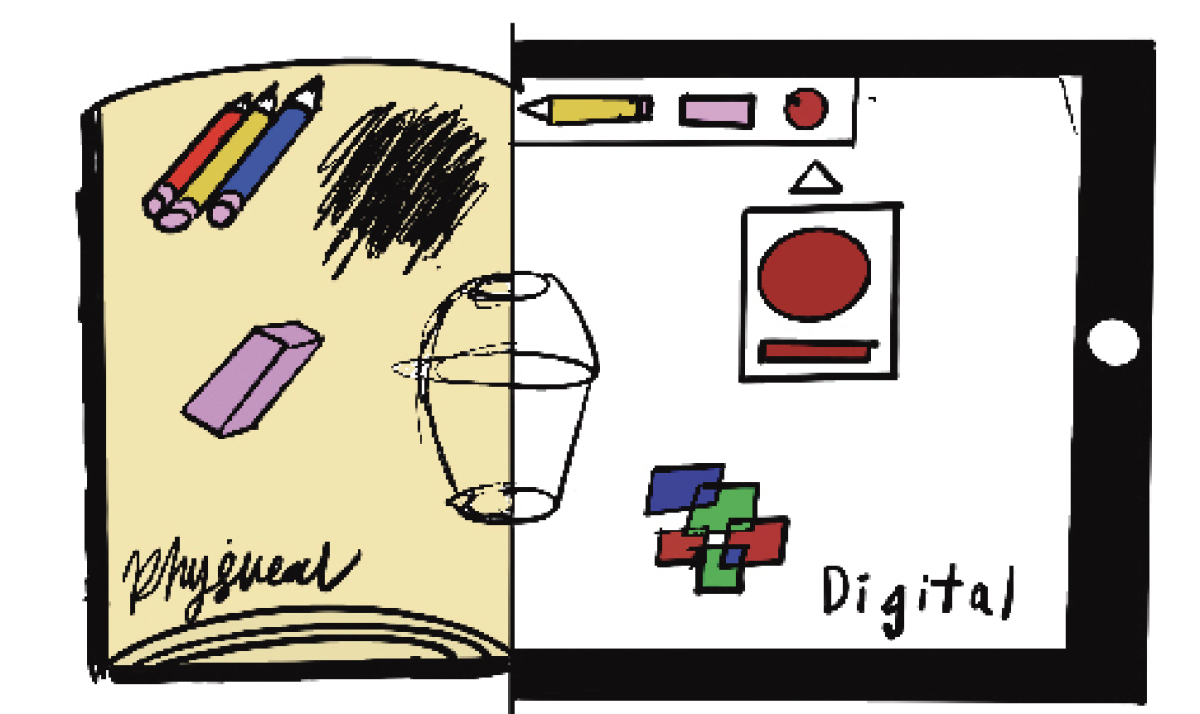
The main difference between the two is the materials that are involved in the processes. Some common materials digital artists use are computers, iPads, Apple pens, cameras and editing or sketching softwares while, traditional artists may use paints, pastels, canvases, brushes, pens and sketchbooks. The materials play an important role in what an artist chooses to do, which is largely based on what they feel is compatible with them, like the touch.
“[When people are] physically animating something, it takes more effort, but by using digital software, [people could] make something insane. Both of them take a lot of time and could look amazing,” Digital Video Production student freshman Kody Ta said. “[However] they could also have different feels, a stop motion movie versus [a computer-generated imagery] movie. I think watching stop motion, I would be way more impressed because I could imagine how long it would take to create something like that.”
However, as softwares are getting more advanced, they are replacing traditional arts. One prime example is with watercolor. Many platforms like Adobe Fresco have created software that is able to mimic the watercolor brushes and allow the colors to blend naturally as if it were actually water. Another way that art technology has innovated is by creating sketchbooks that are able to share the sketches made by artists onto their devices, while still keeping the paper feel that some of them prefer.
“I feel like it depends on how the person is using it because I know certain materials and media are not always going to be available for everyone,” AP Studio Art student sophomore Zoe Ng said. “But then I also feel like, on the other hand, even though it looks the same, when you actually do it, it’s still very different. The blending values [and] the way you control and use the material isn’t going to be the same.”
According to art teacher Michelle O’Shields, digital art has become an industry standard, with physical art being a base level training for it.
“It’s a lot easier. That’s why I like students to have that foundation in physical painting. It’s a lot tougher. You have to apply it properly to digital art. So having that foundation versus this program is just going to do it for you,” O’Shields said. “I think it gives students a lot of variability in what they can do, and opens up a lot more [opportunities].”