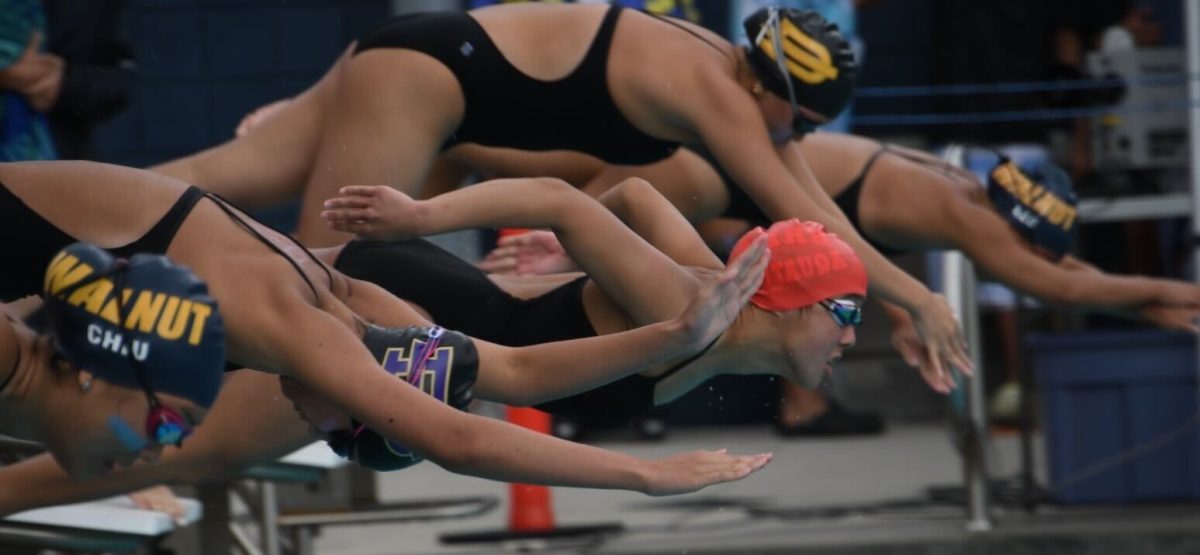
Picture this: it is a hot, sunny day, almost reaching 90 degrees. You have a softball match against Los Altos today and despite the weather, you play the greatest softball game of your high school career. Exhausted and drained, you go home but realize that tomorrow is another game against Diamond Bar. Sluggish from the last game, you lose focus in classes and perform sub-optimally against the Brahmas. Mind you, it still is over 85 degrees with the sun beating down on you.
Amid the mid-March heat wave, spring sports practices and competitions are still in full swing. Even if the weather was good, the chances of athletes having burnout in back to back games are high. With constant tests and quizzes, hydration becomes an afterthought for many athletes. I sometimes find myself barely drinking half of a water bottle before a high-octane workout on the track, leading to loss of oxygen to the head and headaches. When I have races the next day after an intense workout, hydration is still hard to manage.
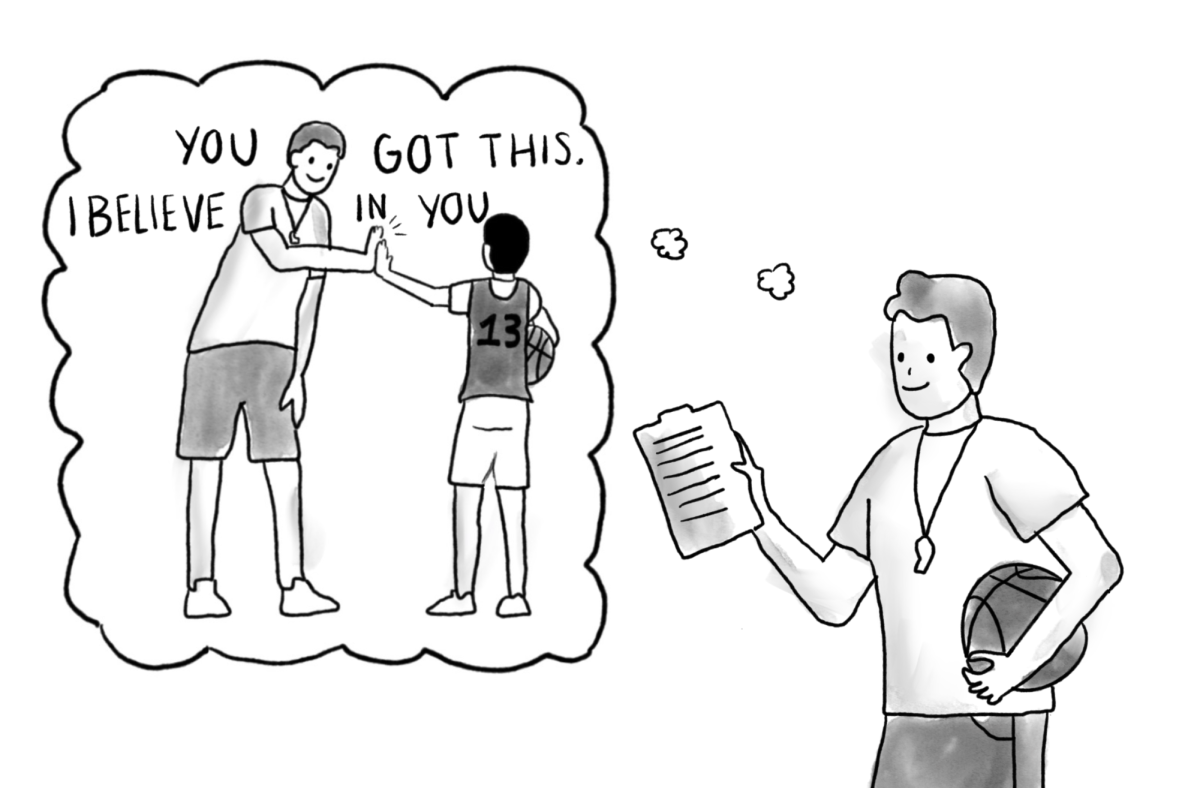
Practice and competition overload is a tough physical challenge that high school student athletes shouldn’t go through. Coaches should give more leniency and factor in the education aspect of being a student athlete. Along with this, the mental turmoil that students may go through with other extracurriculars on their plate, managing it can harm their perception of their sport. For example, people who constantly under-perform might believe that their activity in a sport means less and less therefore demotivates them as an athlete.
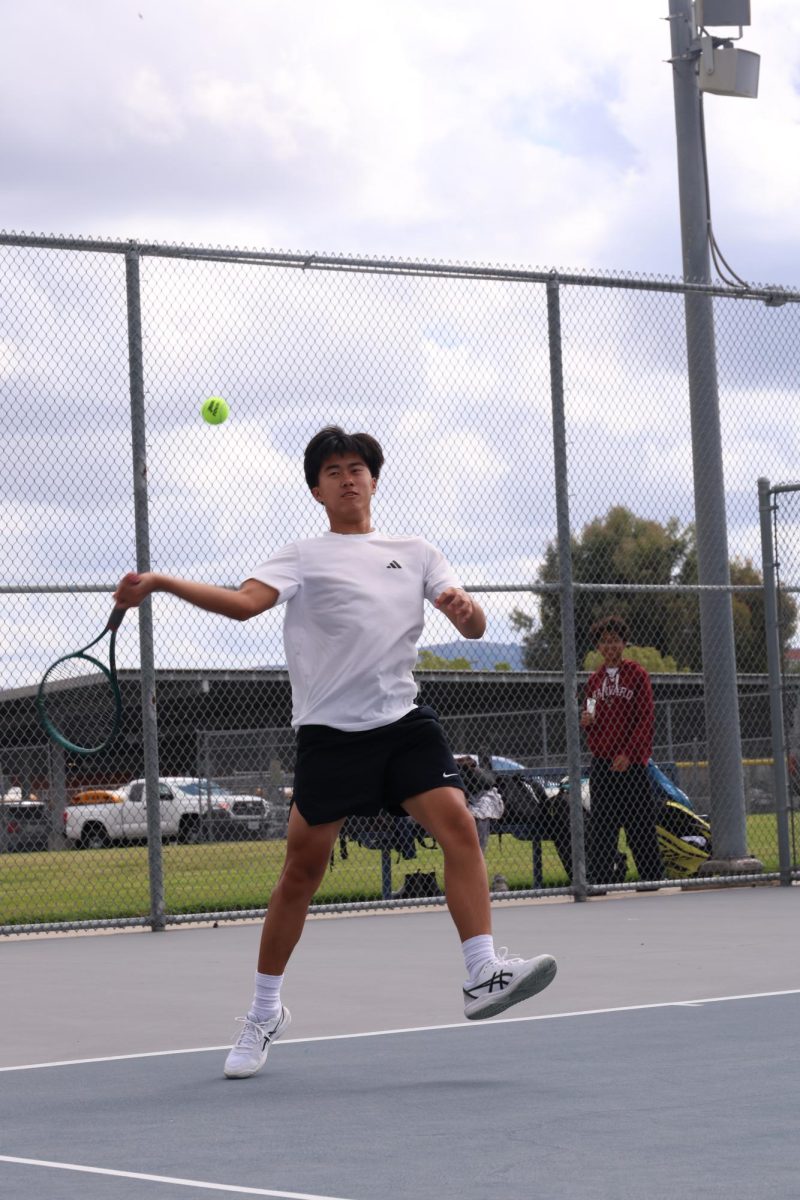
Even if the heat wave wasn’t a factor, daily practices can still take a toll on a developing body. Exerting so much energy to play a tennis match then having less than 12 hours to recover for the next day of school and prepare for a match should not be considered a norm for high schoolers. Instead, having days of recovery seems more beneficial for the athlete. From an editorial in the NFHS (National Federation of State High School Associations) newsletter, a study in the National Library of Medicine in 2024 titled, ‘Stress Amongst High School Athletes,’ “a staggering 91 percent of high school student-athletes report experiencing some level of stress associated with balancing sports and academics.”
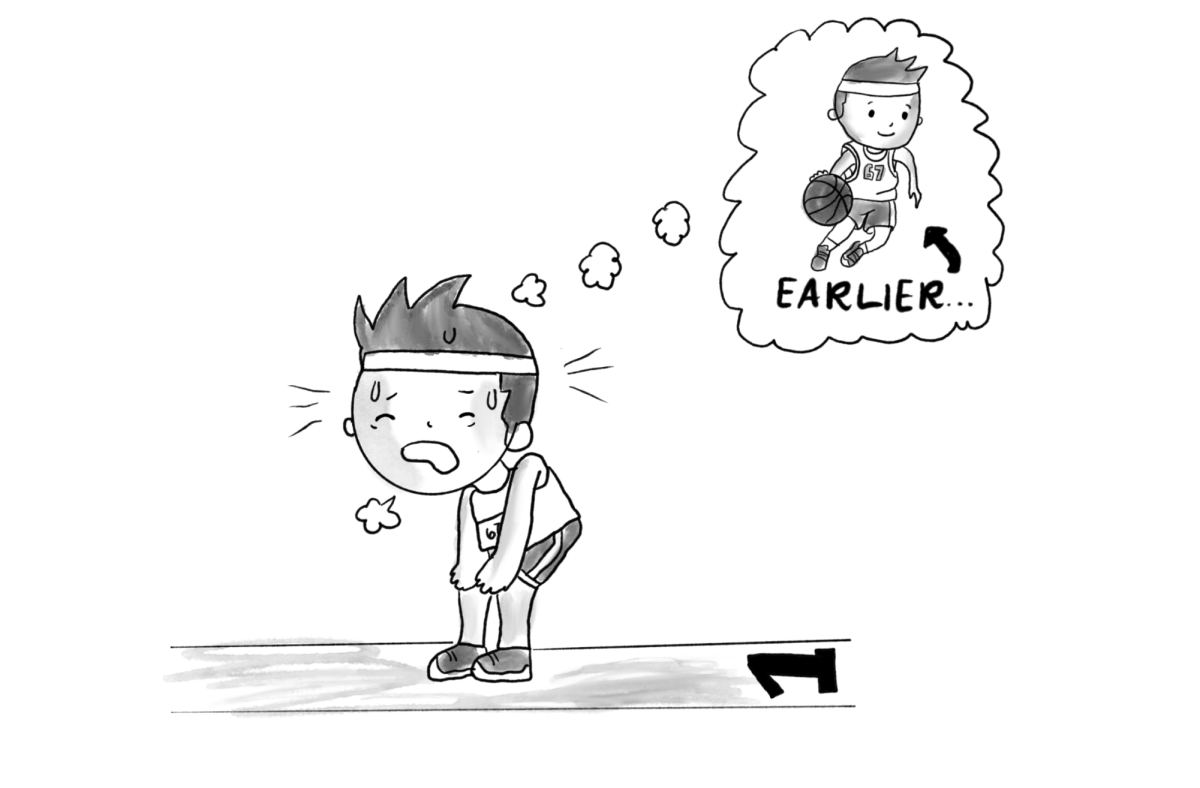
While people may think that high school sports are easier than competing at the college or professional level, the rigor of many on campus sports practices is on par with the collegiate level. Coaches prepare their players to potentially compete in college, therefore making the practices more challenging. Year-round practices in sports such as cross country and basketball can also lead towards burnout, and with an overload of competitions and practices on top of that makes it extremely challenging.
Along with this, athletes are so occupied with school work, that athletes’ sleep schedules in classes with heavy homework could be strained, leading to burnout. If a baseball player finished a game at 8 p.m. and they got home at nine after dinner, the player would need to stay up longer, even past midnight, to finish homework. There is a definite factor in the lack of sleep that leads to poor performance amidst high-intense weeks and potential exams the athlete may need to take.
![Senior Kyle Lin scrolls through his Spotify playlist to prepare mentally for practice. "[Music] helps me get to a good vibe or mood and it helps me prepare mentally for my race or just practice," Lin said.](https://whshoofprint.com/wp-content/uploads/2026/04/IMG_9092-e1777086977174-800x1200.jpg)