Social media has led to a rise in overconsumerism because of how quickly trends shift and aesthetics appear.
Platforms such as Instagram, TikTok or Pinterest actively market these ideals, turning everyday routines into curated images that encourage constant buying. However, many people don’t realize that this overconsumption ultimately leads to wasted money and environmental costs.
One of the clearest examples is BookTok, a TikTok community centered on reading, which has turned books into aesthetic objects rather than sources of knowledge or entertainment. Books are supposed to be well-read and cherished. A $20 price tag isn’t worth simply reading it once just to show others you read it. BookTok promotes buying physical books for the “aesthetics,” even though social media has also begun to promote eco-friendliness.
While some people enjoy the feel of having a physical book, libraries have seen a decline in the number of books being borrowed. As someone who loves reading books and has bought several in the past, I can confidently say that besides reading “Dork Diaries #2” seven times, I have only read every other book that I have bought once or twice, such as “Educated” by Tara Westover, leading them to wait on the shelves for a couple of years before they get donated.
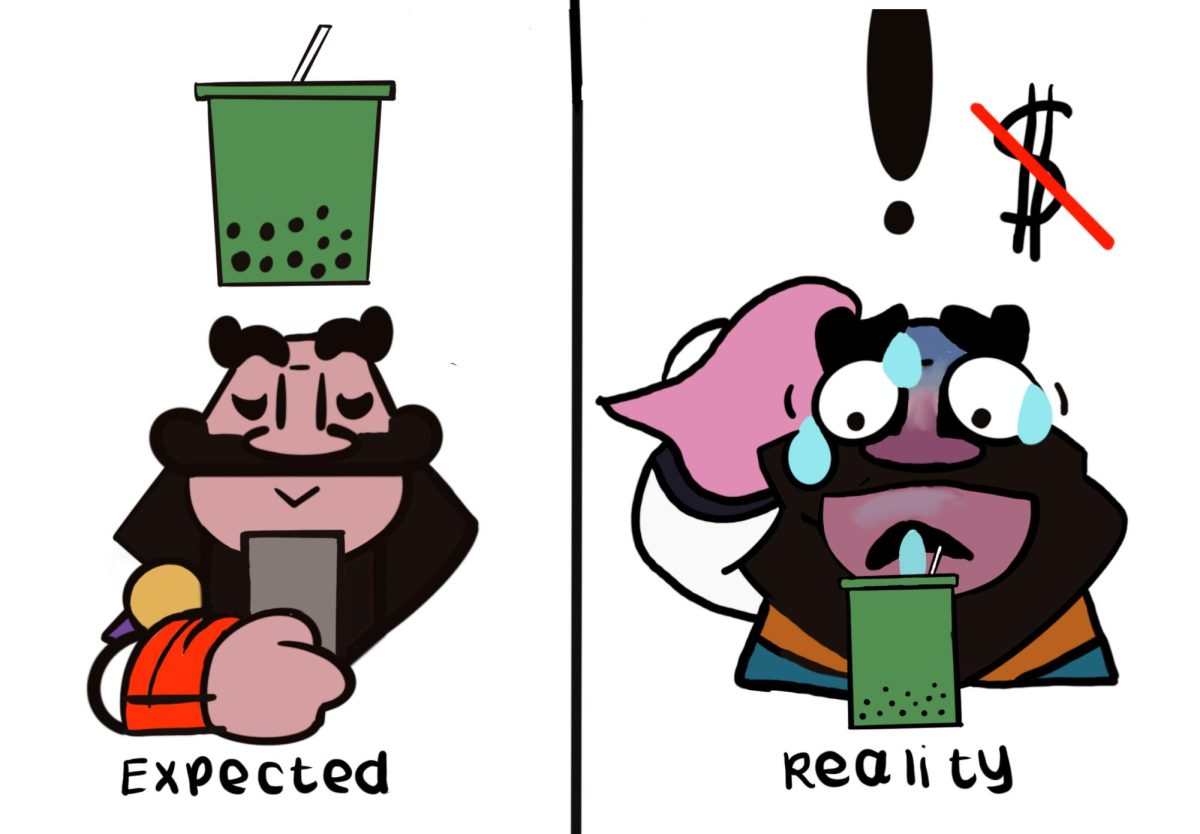
Although BookTok was originally made to share books and ideas with people around the world, it has gradually shifted into a space where books are romanticized and promoted more as aesthetic objects than for their content. TikTok has also contributed to other trends, such as the “performative male” aesthetic that influenced people to buy labubus and start drinking matcha in order to conform to certain standards.
Social media platforms have coined the term “microtrends” because of how fast the trends rise and die, but the physical objects people buy to go along with the trend, for however long it lasts, continue to last in landfills.
One day, a $60 Stanley cup will be trending — even though it may not hydrate better than a $10 water bottle — and bought by people because it’s aesthetic and matches the “clean girl” or “gym aesthetic.” The influence of social media leads to people wanting things since it’s popular, not because it is useful or needed. Even now, the trend of having a Stanley cup has largely died down, as Stanleys have been replaced by Owalas, and more recently, by micro Hydro Flasks–fitting for the trend.
Social media aesthetics may look appealing, but they often disguise the reality of overconsumerism–after all, there’s only so many books or water bottles one person could truly need.