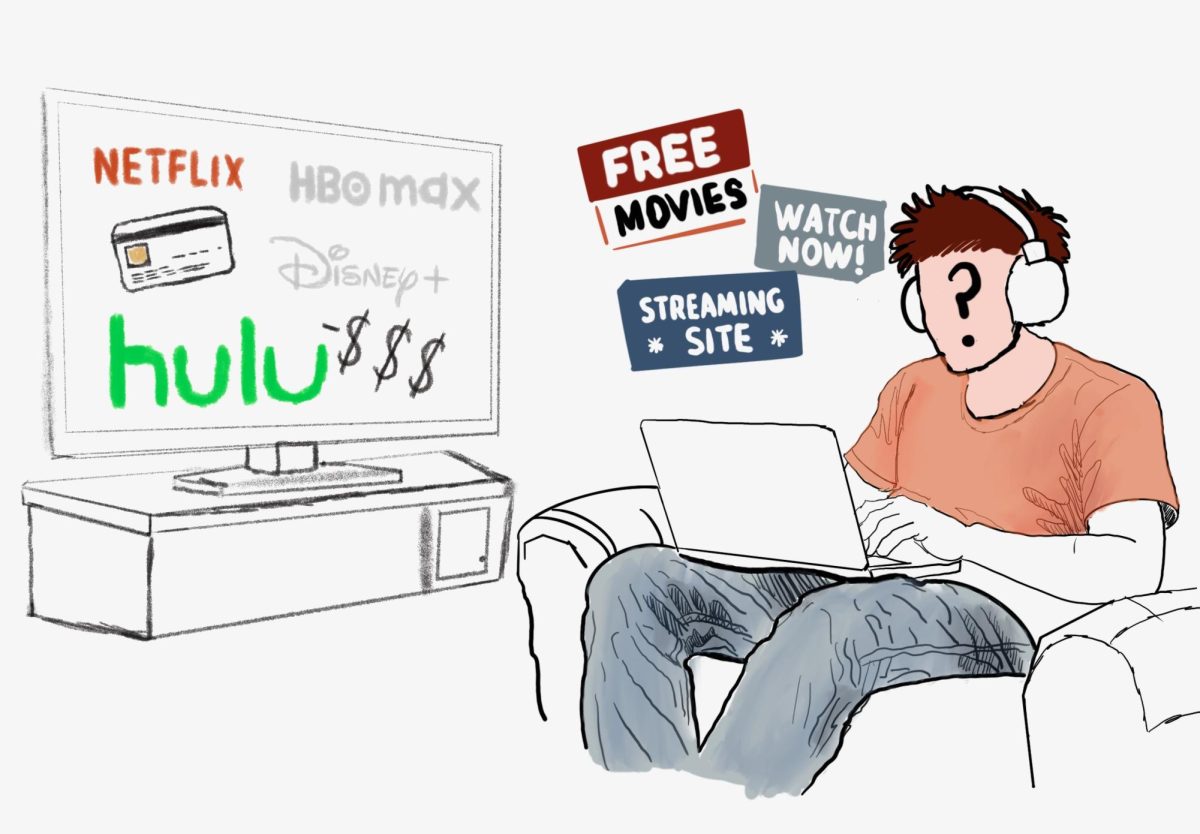
Ever since streaming became the norm, it feels like everyone is watching the same shows, movies, live sports or anime, just not always on the same platforms. With content spread across dozens of paid services, keeping up has become less about interest and more about access. As someone who cares about the media I watch, I understand why people turn to piracy, even if I do not condone it or participate in it myself.
If you are like me, you try to pay for subscriptions whenever possible to support the studios and creators behind the content we enjoy. When popular anime like “Jujutsu Kaisen” or “Frieren: Beyond Journey’s End” are available on a service like Crunchyroll, paying for one subscription feels fair. There are, however, other popular anime which are not available without the subscription of another streaming service or theatrical access. For instance, movies such as “Demon Slayer: Kimetsu No Yaiba The Movie: Infinity Castle” or “Chainsaw Man – The Movie: Reze Arc” were inaccessible to many viewers without extra costs. As a result, a large portion of the internet only experienced these releases through pirated clips circulating online.
According to a survey of 132 anonymous students collected through Google Forms, 44.7 percent reported pirating copyrighted content at some point. Among them, TV shows and anime were the most commonly accessed, suggesting piracy is often used to keep up with ongoing series, not just for one-time viewing. Moreover, many respondents cited convenience and limited availability as key reasons, with 67.8 percent saying it is easier than legal options and 33.9 percent saying the content they want is unavailable or restricted. This shows that access, rather than disregard for legality, is typically the main factor.
As a high school student without a steady income, I can see why someone would feel pushed toward piracy. When a show or movie is popping off in online conversations, being unable to watch it can make you feel left out. For most people, piracy feels like the fastest way to stay part of the cultural moment and join discussions with friends or online communities. In that sense, piracy is less about stealing content and more about wanting to participate in shared experiences.
Still, understanding why piracy happens does not make it acceptable. Piracy is illegal and has real consequences. It does not just affect large corporations but also harms writers, animators, editors and smaller studios that rely on revenue to continue producing content. At the same time, pirated sites pose serious risks to users, including malware and data theft, dangers that are usually ignored for the sake of convenience.
Ultimately, I understand the perspective of someone who pirates content to feel included in today’s media culture, but I do not support it. Shared media does create shared conversations, and that connection matters, but it should not come at the expense of the people who create the work. If companies want to reduce piracy, they need to address why it happens, whether that be by offering more affordable pricing, fewer exclusivity barriers or just overall better access. Until then, piracy will continue to exist at the center of legality, cost and the desire to be part of the conversation. Ω