
Within today’s society, it has strangely become a flex to see who can submit homework the latest or function on the least amount of sleep. This glorification of sleep deprivation is usually treated as impressive rather than concerning. While this culture may seem harmless or even necessary, it ultimately promotes the type of bad habits that damage students’ learning, success and health.
For example, I constantly hear friends and classmates bragging about how little sleep they get, saying things like, “I slept at 4:00 a.m.” or casually mentioning that they survived the day on only a couple of hours of rest and several energy drinks. Statements like these are no longer met with concern, but are praised. Over time, this mindset has turned exhaustion into something that is actually desired. However, sleep is essential for memory, focus and emotional regulation. Sacrificing it does not prove anything but people’s desire to fit in.
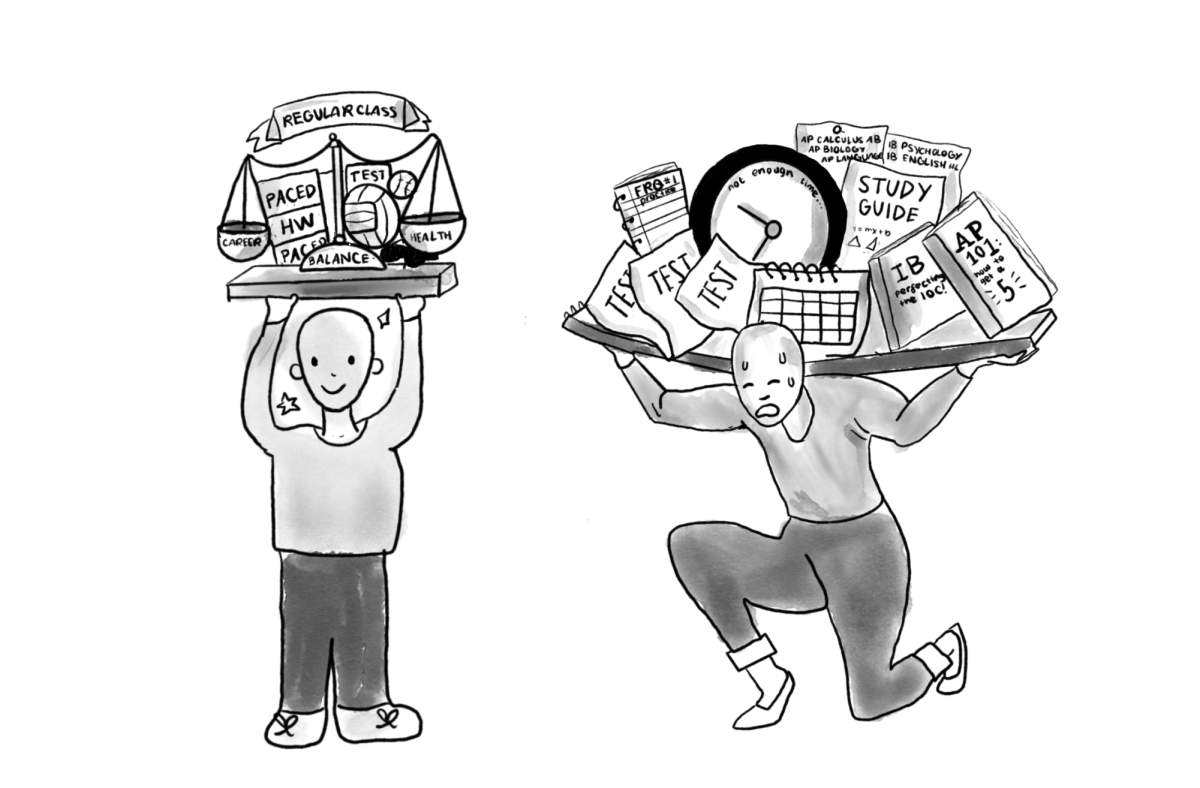
To add, consistently sleeping too little leads to decreased concentration in class, weaker academic performance and higher stress levels. When this type of exhaustion becomes normalized, students can no longer recognize when they are pushing their sleep schedule too far, as they prioritize a competition in who can get the least rest.
From my own experience, I sleep at 11:00 p.m. and often, people view this as insanely crazy. Their immediate thought is to call you boring or with nothing going on with your life, as it has become normalized to sleep as late as possible. This culture may actually cause high schoolers to feel guilty for getting good sleep, where students value looking busy over being effective. Over multiple weeks and months, this behavior can harm mental health and increase burnout.
This competition of who can be ‘worse’ also extends toward encouraging procrastination. For many, it is cool or a bragging right to submit your homework at the very last second. When I do my homework early and plan out my workload, I am very commonly told, “That’s doing too much.” A mindset like this of pushing things off to as late as possible, reinforces poor time-management habits and does not prepare students for real-world responsibilities.
Ultimately, making exhaustion and procrastination a good thing sets a dangerous standard where society no longer values responsibility and self-care. If students want to succeed academically and personally, glorifying this type of burnout needs to stop. Instead, students should plan out their schedule ahead of time and practice effective time management skills.