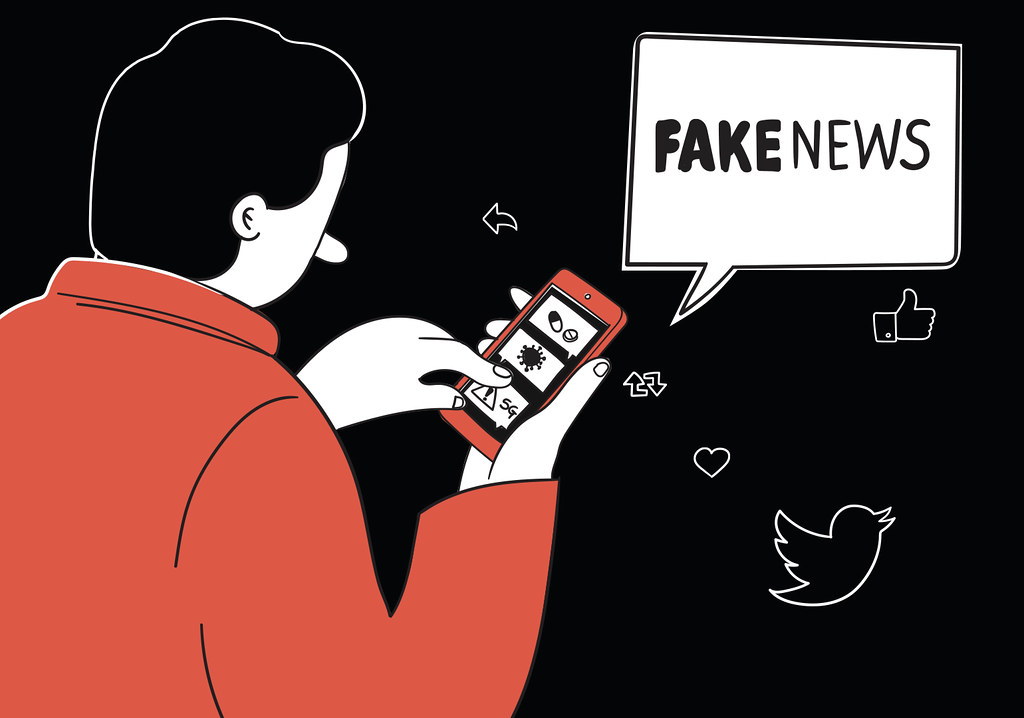
In the age of social media, teenagers are constantly bombarded with news of crises, disasters and suffering from around the world. TikTok, YouTube, Instagram or even Reddit have become the main news source for teenagers. These platforms are curated for views. That means boring or nuanced issues rarely generate interest while more dramatic and shocking stories dominate people’s feeds. Algorithms designed to maximize engagement and views grab more attention than content that merely wishes to inform people about current events. As a result, users repeatedly exposed to the more dramatic and impactful crises gradually start to normalize these events and have dull emotional responses.
Social media creates a more detached version of interaction. Seeing a tragedy on screen reduces it to merely just another piece of content. Likes, comments and shares replace meaningful concerns and create a culture of performative empathy where appearances matter more than understanding or action, especially for influencers. Sometimes, people may start to see global issues as inevitable or uncontrollable and it becomes “background noise” for those not experiencing the crises firsthand.
Social media algorithms merely exacerbate the problem because it repeatedly shows snippets of the dramatic parts of a crisis and ends up stripping them of their content and nuance. Users may even post about the crises more for attention or content creation than out of true concern. Ever since Charlie Kirk’s passing, I’ve been seeing so many memes and videos mocking him, which is just outright disrespectful and insensitive to his family. Also, after the Epstein files were dropped, all over my For You page have been POVs or tweets and jokes about being on the “island.” Over time, this constant, fragmented exposure reduces empathy and people start to take situations lightly.
Yet, social media is not inherently harmful. Social media has so much potential in raising awareness and mobilizing action across the globe. Viral campaigns, fundraising initiatives and advocacy movements of all ranges have succeeded in demonstrating that platforms can connect users to meaningful causes and contribute to these global issues. To realize social media’s potential, users need to interact more thoroughly and actively seek context instead of sitting still and passively absorb the information.