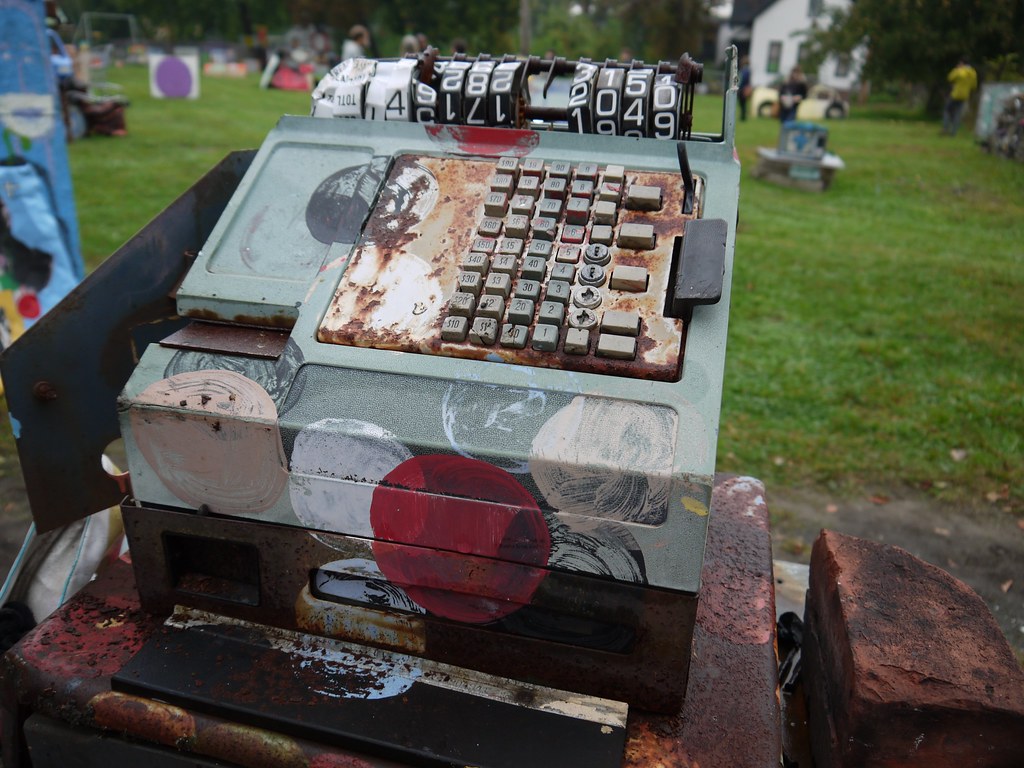
Excited to buy our long-awaited MeloMelo coconut jelly, my friend and I take out our cash just to have our taste buds go dry once the waiter informs us they only accept card or Apple Pay. The conversion from a physical currency to a more common cashless society restricts age groups such as adolescents and the elderly that primarily utilize cash for purchasing desired items, encouraged overspending and a emotional detachment to spending.
A society in where businesses accept more online payments versus cash inconveniences adolescence and the elderly from purchasing things. Because adolescents cannot legally own their own credit card, many teens use their parents or guardians. With the increasing popularity of a cashless society would also exclude the elderly, who may struggle with digital technology.
The emergence of a cash to cashless society gained momentum during the COVID-19 pandemic in 2020. The pandemic forced businesses to transition to digital payments due to health concerns. According to a report by the Australian Banking Association, the use of digital wallet payments electronic devices soared from $746 million in 2018 to over $93 billion in 2022. This has allowed businesses to create a new business concept called “Buy Now, Pay Later” (BNPL), where the consumer can pay for the purchase in installments. Because of BNPL, it has worsened the idea of a cashless society by encouraging overspending.
With the transition of a cashless society, it is inevitable that digital problems arise; a cashless society increases vulnerability to being hacked, stolen information or system-wide technology failures. The constant reliance on technology could also become a consequence if a power outage or other technological problems were to arise, as consumers would be unable to pay for basic necessities.
Additionally, paying with cash provides an emotional realization of spending, while online transactions removes this realization, leading to overpurchasing. The lack of this realization not only comes with BNPL but also with online transactions such as Venmo or Apple Pay. Whether paying for my meal or returning money to my friends through Apple Pay, it does not feel like I am actually transferring money, but rather just double clicking a button on my phone.