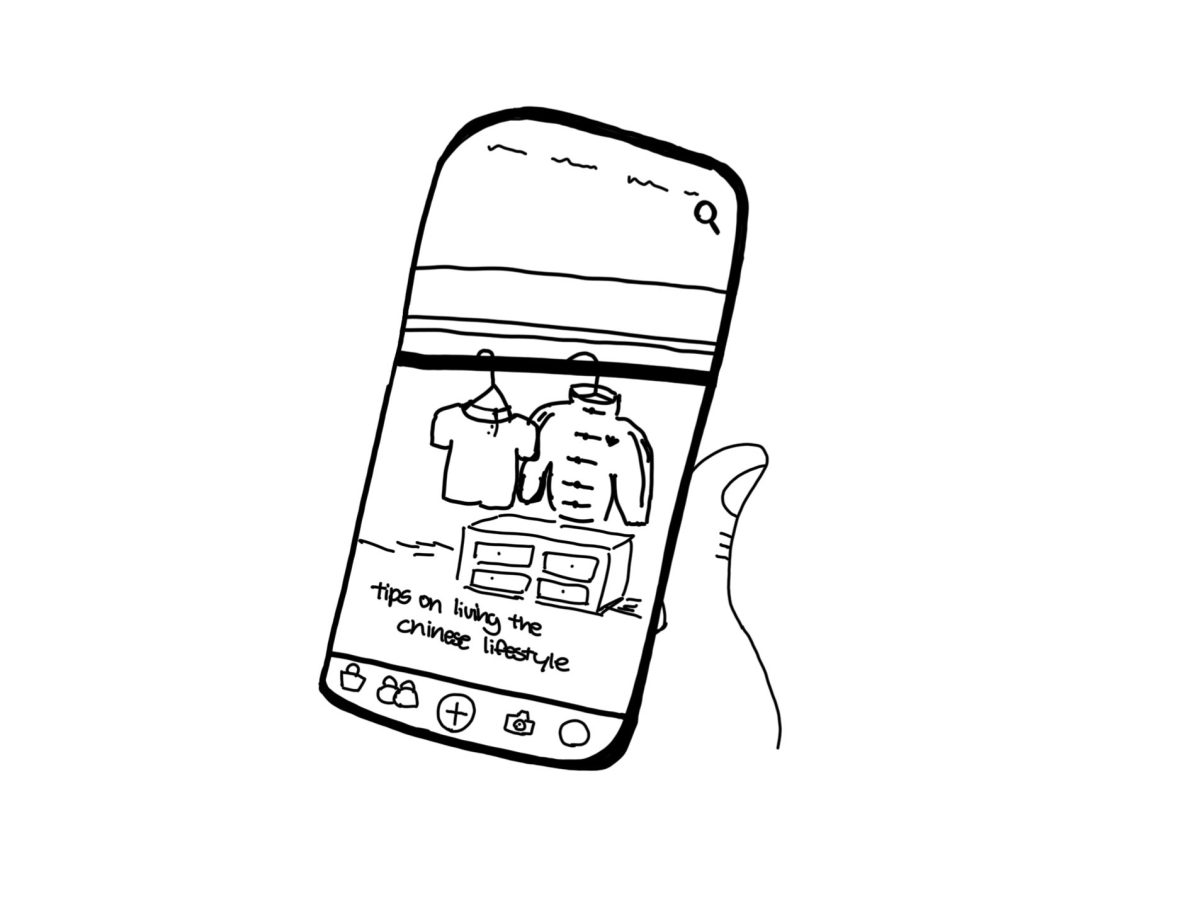
As I scroll through Chinese New Year videos on TikTok, I stumble across several videos titled, “First time being Chinese”, and after a few other videos, I come across another video similarly titled to the previous videos. “Chinamaxxing” is a trend that was created by Generation Z—beginning in the start of 2026, and was made to document ones’s journey to becoming more “Chinese”. However, despite the trend shedding more light on certain cultures, it degrades and creates a simple version of the culture, which can be disrespectful.
With the rise of “Chinamaxxing”, certain non-Asian people are embracing Chinese food, beauty, medicine and customs. Although the trend may bring attention to Chinese culture and its traditions, it feels like an abrupt shift to the attitude that was given to them during the pandemic a few years ago. According to the National Library of Medicine, during the peak of the Coronavirus disease 2019 or (COVID-19), “As COVID-19 proliferated across the United States, Asian Americans reported a surge in racially motivated hate crimes involving physical violence and harassment.”
This points to the elephant in the room — people are able to embrace these cultures as “trends” rather than actually learning about the culture and its history. Although this trend may have started off as cultural appreciation, it has slowly become cultural appropriation.
Cultural appropriation is the unacknowledged act of adopting a culture without understanding it— leads to a degradation of the actual cultural beliefs, history and the significance behind it. One of my friends was under the impression that my parents were “unable” to speak English; these trends can lead to untrue cliches and cause generalization.People are welcome to explore and enjoy the culture, but when the culture slowly becomes abused for the sake of social media trends, it leads to false stereotypes and superficial impressions on the culture.
“Chinamaxxing” has also brought a significant amount of consumerism. Although the popularity of the Adidas Tang-style jacket was already popular before the trend began, it stands as a symbol for the consumerist cosplay of the “Chinese identity”. Although the jacket may be appealing, it can make cultural clothing feel like they are merely fashion statements or the trendiest jacket, despite the hundreds of years behind it.
However, with this trend, Generation Z has created a shallow level of inclusivity. It has created an outlet for a generation to understand their culture and customs; it is a outlet for people who may have felt left out of their culture to be immersed and involved in it. The people joining the trend should attempt to fully learn about the history and the customs behind the culture and not see it as just a trend.
Cultures should not be a trend and people should take time to genuinely appreciate and understand it before they try to join the “newest trend”. Behind every culture that becomes a trend, there are hundreds and even thousands of years of history. These trends should bring awareness and recognition to a certain culture rather than dumbing down and creating a sanitized version of a culture because behind every culture, there is over hundreds of years of civilization and history. To many people, a culture is not a specific custom, but it encompasses a person’s identity and dictates their beliefs. My culture is more than just a trend; My culture is not your costume.